



Morocco
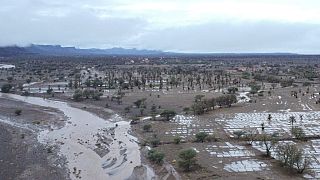
A surreal image from the sand dunes of southern Morocco.
This sight is the consequence of heavy rains that fell in August and September.
At least 11 people were killed in September due to the floods.
Morocco's General Directorate of Meteorological has analysed Nasa images and detected water in Lake Iriqui which lies in the eponymous national parc. The lake had been dry for half of a century.
“There's even a lake that has been dry for 50 years, named Lake Iriqui, between the Zagora and Tata regions, where the water has returned, as Nasa images have shown. So, the old desert lakes will come back to life.”
Houssine Youabeb says it has been at least 30 years since this much rain has fallen in the span of three months. These changes hint at more important disruptions notably altered weather forecasts.
“The water will evaporate into the air, so there will be more moisture in the air. This excess moisture will therefore fall on certain regions and cause rainfall. There will even be a change in the pattern of precipitation. We'll no longer have this usually organised rainfall, but rather quite strong thunderstorms over certain regions.”
Morocco is not usually affected by rainfall from the Inter Tropical Front, which traditionally affects the Malian and Mauritanian Sahara.
Morocco, where agriculture is a crucial sector, headed this year for its sixth consecutive year of drought due to a drop in rainfall.





01:03
2026 edition of Africa Eco Race comes to an end in Dakar
01:03
Moroccan security forces carry out evacuations as floods hit north
Go to video
Morocco's Foreign Minister Nasser Bourita in Brussels for 15th EU Association Council meeting
00:43
Northern Morocco on maximum flood alert as Loukkos River swells
00:50
Senegal and Morocco face heavy fines for misconduct at AFCON 2025 finals
01:57
Senegalese PM Ousmane Sonko dismisses AFCON tensions with Morocco